Flower Arrangement Services and the Art of Making Every Occasion Feel Special

Flowers have a remarkable ability to change the atmosphere of a space without saying a word. A carefully arranged bouquet can make an ordinary room feel welcoming, a celebration feel more meaningful, or a thoughtful gesture feel deeply personal. Yet creating a beautiful floral display involves much more than placing flowers into a vase. Color, proportion, texture, flower selection, seasonal availability, fragrance, container choice, and arrangement style all influence how the finished design looks and feels. This is where flower arrangement services can make a meaningful difference. Rather than simply supplying flowers, professional floral designers can transform individual stems into coordinated arrangements that communicate a particular mood, complement an occasion, and create a memorable visual experience.

flower arrangements

The appeal of professional flower arrangement services goes beyond convenience. Flowers are often connected to important moments, personal milestones, hospitality, sympathy, romance, gratitude, and celebration. Because of this emotional connection, the presentation matters almost as much as the flowers themselves. A collection of beautiful blooms can lose some of its impact when the colors compete, the proportions feel unbalanced, or the arrangement does not suit the setting. A thoughtfully designed floral arrangement, on the other hand, can bring together different elements in a way that feels intentional. The result is not simply a bouquet but a form of visual communication that can influence how people experience an event, room, or personal occasion. Learn more by visiting https://leighflorist.com/.

Flower Arrangements Are About More Than Flowers

One of the biggest misconceptions about floral design is that the quality of an arrangement depends entirely on the flowers used. In reality, flower arrangement is a combination of design principles and botanical materials. Two arrangements can contain similar flowers and still create completely different impressions because of how they are structured. One might feel modern and sophisticated because of its clean lines and restrained color palette, while another may feel warm and abundant because of its layered textures and varied shapes.

Professional flower arrangement services begin by considering the purpose of the design. A centerpiece intended for a formal gathering will have different requirements from a casual gift bouquet, while a floral display designed for a large reception space needs to work differently from a small arrangement intended for a bedside table. The designer considers the environment, viewing distance, available space, lighting, color scheme, and overall mood before determining how the flowers should be combined.

This purpose-driven approach is one reason professional floral design can create such a noticeable difference. Instead of selecting flowers individually and hoping they work together, the arrangement is developed as a complete composition. Every stem contributes to the overall shape, balance, movement, and texture.

Creating the Right Mood With Flowers

Flowers can influence mood in subtle but powerful ways. Soft colors can create a calm and delicate atmosphere, while stronger tones can bring energy and visual excitement. Abundant arrangements may communicate celebration and generosity, whereas simpler designs can feel refined, intimate, or understated. The shape of an arrangement also contributes to its emotional character.

Color is particularly important because people tend to notice the overall palette before examining individual flowers. A carefully selected combination can connect the arrangement to an event’s décor or create contrast that draws attention to a particular area. This does not necessarily mean every flower needs to match perfectly. In fact, contrast can make an arrangement more interesting when it is used intentionally.

Texture adds another layer of visual interest. Smooth petals, delicate foliage, sturdy stems, berries, grasses, and other botanical elements can be combined to create depth. When textures are varied thoughtfully, the arrangement can appear more natural and dynamic rather than flat or repetitive.

Professional designers often consider several elements simultaneously:

  1. Color and contrast help establish the visual mood and relationship between the flowers and their surroundings.
  2. Shape and texture create depth, movement, and dimension so the arrangement feels intentionally designed rather than randomly assembled.

These principles allow floral arrangements to become an extension of the atmosphere rather than an isolated decoration.

Flower Arrangement Services for Special Occasions

Flowers have long been associated with life’s important moments, which makes professional arrangement services particularly valuable for occasions where presentation matters. Celebrations, ceremonies, dinners, anniversaries, memorial gatherings, receptions, and personal milestones can all benefit from thoughtfully designed floral displays.

For celebrations, flowers can help create an environment that feels festive and welcoming. Larger arrangements can establish visual focal points, while smaller displays can add continuity throughout the space. The objective is not always to fill every available surface with flowers. Strategic placement can often have a greater impact because it directs attention without making the environment feel overcrowded.

Personal occasions require a different kind of consideration. A bouquet intended as a gift may be designed around the recipient’s personality, preferred colors, or the emotional message the sender wants to communicate. The arrangement becomes more meaningful when it feels intentional rather than generic.

Sympathy and remembrance arrangements also require sensitivity. In these situations, floral design can provide a visual expression of respect, comfort, and remembrance without relying on elaborate decoration. The choice of flowers, scale, colors, and presentation can create an atmosphere that feels appropriate to the emotional nature of the occasion.

Why Custom Floral Design Matters

Not every occasion fits neatly into a standard arrangement style. Custom flower arrangements provide an opportunity to create something specifically suited to the setting and purpose. Instead of beginning with a predetermined design, the process can begin with the client’s desired mood, color preferences, space, and occasion.

Customization is especially valuable when flowers need to coordinate with an existing interior or event design. A room may already have a strong color palette, distinctive furniture, or a particular decorative style. A floral arrangement that ignores those characteristics can feel disconnected from its surroundings. A customized design can instead reinforce the existing aesthetic and make the flowers feel like a natural part of the environment.

The size of the arrangement matters as well. A design that looks beautiful on a large table may overwhelm a small surface. Similarly, an arrangement that appears elegant in a compact room may disappear in a large event space. Professional floral designers understand that scale is part of the design equation and can adjust the composition accordingly.

Seasonal Flowers Can Add Character

Flower availability changes throughout the year, and seasonal blooms can provide an arrangement with a sense of freshness and natural character. Rather than treating seasonal variation as a limitation, professional floral design can use it as an opportunity to create arrangements that feel connected to the time of year.

Seasonal flowers often bring distinctive colors, shapes, and textures that can influence the entire composition. Spring-inspired designs may feel light and fresh, while arrangements created during colder months can incorporate deeper tones and richer textures. Warm-season arrangements can emphasize brightness and abundance, while transitional designs may combine different visual characteristics.

Working with seasonal availability can also encourage creativity. When a particular flower is unavailable, a skilled designer can select alternatives that provide a similar shape, color, texture, or visual function. The goal is not necessarily to reproduce an exact arrangement but to preserve the intended aesthetic.

The Importance of Freshness and Flower Care

Beautiful design cannot compensate for flowers that are already deteriorating. Freshness is therefore a critical part of professional flower arrangement services. Flowers need proper handling from selection through preparation, design, transportation, and placement. Even a short period of improper care can affect their appearance and longevity.

Once flowers are arranged, maintenance also becomes important. Different varieties can have different water requirements and lifespans, while temperature, sunlight, humidity, and air circulation can influence how long an arrangement remains attractive. A professional service can guide how to care for the finished arrangement so that its visual appeal lasts as long as possible.

Good care begins with basic habits such as keeping arrangements hydrated, avoiding excessive heat, and placing them away from conditions that accelerate deterioration. Following appropriate care instructions can significantly improve the useful life of a floral display.

Flower Arrangements as Interior Décor

Flowers do not have to be reserved for special occasions. They can also become part of everyday interior design. A carefully selected arrangement can introduce color, softness, and organic texture into a room while creating a natural focal point.

This is particularly useful in spaces that rely heavily on hard surfaces or neutral colors. Flowers can add visual warmth without requiring permanent changes to the décor. A rotating arrangement can also provide an easy way to refresh the appearance of a room throughout the year.

Different areas call for different approaches. A dining table may benefit from an arrangement that encourages conversation without blocking sightlines. An entryway may be suited to a taller design that immediately creates an impression when someone enters. A smaller arrangement can add a subtle decorative element to a desk, side table, or shelf.

The versatility of floral design is one of its greatest strengths. Flowers can complement traditional, contemporary, minimalist, rustic, or eclectic interiors because the arrangement can be adapted to the character of the surrounding space.

Choosing the Right Flower Arrangement Service

Selecting a flower arrangement service should involve more than choosing the largest or most elaborate design available. The most appropriate service is one that understands the purpose of the arrangement and can translate a desired mood into a cohesive floral composition.

Communication is an important part of the process. Clients should be able to discuss the occasion, preferred colors, approximate size, setting, budget, and overall aesthetic. A professional designer can then recommend suitable options and explain how different choices may affect the finished appearance.

It is also useful to consider the service’s flexibility. Some occasions require a single arrangement, while others involve multiple coordinated pieces. A larger event may require centerpieces, entrance displays, accent arrangements, and other floral elements that need to work together visually. Consistency across these pieces is important because unrelated designs can make an event feel visually fragmented.

Balancing Beauty and Budget

A professional floral arrangement does not necessarily need to be enormous or expensive to make an impression. Effective design often comes from using available materials strategically. A smaller number of distinctive flowers can sometimes create more visual impact than a large quantity of unrelated blooms.

Budget-conscious floral design can focus on priorities. If the flowers are intended to serve as a centerpiece, for example, more attention can be given to the main display while surrounding areas receive simpler arrangements. This creates hierarchy and prevents the budget from being spread too thinly across too many decorative elements.

Open communication about budget allows a floral designer to make informed choices about flower varieties, arrangement size, containers, greenery, and overall complexity. Instead of simply reducing the number of flowers, the designer can look for ways to preserve the intended visual effect while adjusting the composition.

The Personal Meaning Behind Floral Design

Perhaps the most important reason people continue to choose flower arrangement services is that flowers carry emotional meaning. They can express affection, appreciation, congratulations, encouragement, sympathy, celebration, or remembrance when words alone do not seem sufficient.

The arrangement becomes particularly meaningful when its design reflects the reason it was created. A joyful occasion may call for movement and vibrant colors, while a quieter moment may benefit from a more restrained composition. The flowers become part of the story of the occasion.

This emotional dimension separates floral design from ordinary decoration. A floral arrangement can change the atmosphere of a room, but it can also become part of someone’s memory of an important moment. That is why thoughtful design, freshness, presentation, and attention to detail all matter.

Flower arrangement services offer far more than prepared bouquets. They bring together flowers, color, texture, proportion, space, and emotion to create designs that suit specific occasions and environments. Whether the goal is to enhance a celebration, create a thoughtful gift, add warmth to an interior, or provide an appropriate expression of sympathy, professionally designed flowers can communicate a message in a remarkably natural way.

The best floral arrangements feel intentional without appearing forced. They work with their surroundings, create an appropriate mood, and allow the beauty of the flowers to remain the central focus. Professional design can make this possible by turning individual stems into a cohesive composition tailored to the occasion.

Ultimately, choosing flower arrangement services is about creating an experience rather than simply purchasing flowers. A well-designed arrangement can transform a space, strengthen the atmosphere of an event, and give a personal gesture greater meaning. With thoughtful selection, skilled design, proper care, and attention to the setting, flowers can become much more than decoration—they can become one of the most memorable elements of an important moment.
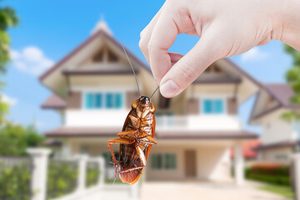
Pest Control Services and the Importance of Protecting Your Home

Pests are an ordinary part of the environment, but that does not mean they belong inside a home or building. Insects, rodents, and other unwanted creatures can enter through remarkably small openings, move through hidden spaces, and take advantage of food, moisture, warmth, and shelter. What begins as occasional activity can gradually develop into a larger infestation if the conditions supporting the pests are not addressed. This is why pest control services are an important part of property maintenance. Effective pest management is not simply about eliminating the insects or animals that are visible. It is about understanding the reasons pests are present, identifying where they are coming from, addressing conditions that attract them, and establishing practical measures that reduce the likelihood of future activity.

pest control

Many homeowners do not think about pest control until they have a noticeable problem. A trail of insects across a countertop, scratching sounds behind a wall, damaged materials, droppings in a storage area, or repeated sightings around doors and windows can quickly change that perspective. Unfortunately, visible evidence does not always represent the full extent of an infestation. Pests often remain hidden during part of their activity cycle, particularly when they have access to wall cavities, crawl spaces, attics, cabinets, or other secluded areas. Professional pest control services can therefore provide value not only when an infestation is obvious but also when recurring signs suggest that an unseen problem may be developing. Head over to https://www.rodentretreattexas.com/raccoon-removal-texas to discover more.

Why Pest Control Services Matter

The purpose of professional pest control is to create a structured approach to managing unwanted pests. Instead of relying entirely on occasional sprays or traps, pest management can involve inspection, identification, treatment, monitoring, exclusion, sanitation recommendations, and follow-up. This broader approach recognizes that pests are usually responding to environmental conditions. If those conditions remain unchanged, simply removing the pests that are currently visible may only provide temporary relief.

A property can offer everything a pest needs to survive without the homeowner realizing it. Food crumbs, unsecured waste, leaking pipes, condensation, standing water, overgrown vegetation, clutter, and small structural gaps can all contribute to pest activity. Even properties that appear clean can have hidden moisture problems or entry points that make them attractive to insects and rodents. Pest control services help shift the focus from reacting to individual sightings toward managing the overall conditions that influence pest behavior.

Professional pest management can also help homeowners respond before a small problem becomes a major infestation. Early intervention is generally easier to manage than a deeply established pest population. When activity is addressed promptly, there may be fewer areas to treat, less contamination or damage to deal with, and fewer opportunities for pests to reproduce and spread.

Common Reasons Pests Enter Properties

Pests do not enter buildings randomly. They are typically searching for resources that improve their chances of survival. Food, water, shelter, and suitable temperatures can all influence where pests establish themselves. Understanding these attractants can help homeowners recognize why certain areas of a property repeatedly experience pest activity.

The most common contributing conditions include:

  1. Accessible food and waste. Unsealed food containers, crumbs, pet food, garbage, and food residue can provide attractive sources of nourishment for insects and rodents.
  2. Moisture and shelter. Leaks, damp areas, standing water, clutter, and undisturbed spaces can create favorable conditions for pests to hide, reproduce, and remain active.

Eliminating these conditions does not guarantee that a property will remain completely pest-free, but it can make the environment less attractive. Professional pest control services often incorporate these preventive considerations into a broader treatment strategy.

The Importance of a Thorough Pest Inspection

An inspection is one of the most useful components of pest management because it provides information about what is actually happening on the property. Treating without understanding the source can result in wasted time and inconsistent results. A professional inspection may look for visible pests as well as indirect evidence, including droppings, nests, damage, trails, entry points, feeding activity, and areas where moisture or food may be accumulating.

The inspection process can also help determine whether activity is isolated or distributed across several areas. For example, finding insects in a kitchen does not necessarily mean the kitchen is where they originated. They may be entering through an exterior opening, moving through plumbing penetrations, or traveling from another part of the building. Rodents can similarly move through concealed areas before becoming visible inside living spaces.

Understanding these movement patterns helps create a more targeted treatment plan. Rather than treating every surface indiscriminately, pest control professionals can concentrate on areas where treatment is most appropriate while also recommending changes that reduce future access.

Different Pests Require Different Strategies

One of the reasons professional pest control can be more effective than a one-size-fits-all approach is that different pests behave differently. Ants, cockroaches, rodents, termites, flies, spiders, and other pests have different feeding habits, nesting behaviors, movement patterns, and preferred environments. A treatment that works for one type of pest may have little effect on another.

Correct identification is therefore essential. Homeowners may recognize that something is crawling, flying, or making noise without knowing exactly what species or pest group they are dealing with. Misidentification can lead to ineffective treatment and allow the underlying problem to continue.

A professional approach considers the pest’s biology and behavior when determining how it should be managed. Treatment may involve targeted applications, traps, baits, exclusion methods, sanitation improvements, environmental modifications, or a combination of techniques. This customized approach is particularly important when pest activity is recurring or widespread.

Pest Control Is More Than Spraying

There is a common perception that pest control begins and ends with applying a chemical treatment. Modern pest management can be much broader than that. While chemical treatments may be appropriate in certain situations, effective pest control often depends on combining several methods.

Integrated pest management, for example, emphasizes prevention, monitoring, identification, and targeted intervention. The objective is to manage pest populations effectively while avoiding unnecessary treatment. This approach recognizes that long-term control requires attention to the conditions that allow pests to thrive.

Exclusion is another important part of pest management. Small openings around doors, windows, pipes, vents, foundations, roofing components, and other structural areas can provide access points. Sealing appropriate gaps and improving vulnerable areas can reduce the chance of pests entering after treatment.

Protecting the Property From Pest Damage

Pests can cause more than an unpleasant sight. Some can damage structural materials, stored belongings, insulation, wiring, wood, fabrics, or other components of a property. Rodents may chew materials while searching for food or creating nesting areas, while certain insects can gradually affect wooden components. Even when the damage is not immediately obvious, repeated pest activity can become a property maintenance concern.

Preventing damage is one reason early pest control is important. Waiting until damage becomes visible may mean that the infestation has already been active for some time. Regular inspection and prompt attention to unusual signs can help homeowners discover problems earlier.

Pest control should therefore be considered alongside other forms of preventive home maintenance. Just as homeowners inspect roofs, plumbing, electrical systems, and exterior surfaces, they can monitor for signs that pests are gaining access or finding favorable conditions.

Protecting Indoor Cleanliness and Comfort

A pest-free environment contributes to a cleaner and more comfortable home. The presence of insects or rodents can create stress and make residents feel uncomfortable in areas where they prepare food, sleep, relax, or store belongings. Some pests can also leave behind droppings, shed materials, nesting debris, or unpleasant odors.

Keeping surfaces clean and food properly stored is an important first step, but cleanliness alone does not always eliminate pest problems. Some infestations are associated with structural entry points or hidden nesting locations rather than obvious sanitation issues. Homeowners should avoid assuming that pest activity automatically means the property is poorly maintained.

Professional pest control services can help identify the specific factors contributing to activity and recommend practical improvements. This makes pest management a property-wide issue rather than a judgment about household cleanliness.

Seasonal Pest Activity and Preventive Maintenance

Pest activity can change throughout the year as temperature, moisture, food availability, and environmental conditions change. Certain pests may become more noticeable during warmer periods, while others may seek shelter inside buildings when outdoor conditions become less favorable. These changes make seasonal awareness an important part of prevention.

Instead of waiting for seasonal activity to become severe, homeowners can inspect vulnerable areas beforehand. Doors and windows should close properly, screens should remain intact, moisture problems should be corrected, and unnecessary clutter should be reduced. Exterior areas should also be monitored for conditions that may encourage pest activity near the structure.

Preventive pest control services can complement these homeowner efforts by providing professional monitoring and treatment when appropriate. The objective is to identify potential problems before they develop into difficult infestations.

When Should You Consider Professional Pest Control?

Homeowners do not necessarily need professional treatment every time they see a single insect. Occasional pest sightings can occur even in well-maintained properties. The more important question is whether the activity is repeated, increasing, widespread, or accompanied by other evidence.

Repeated sightings are particularly worth investigating. If insects consistently appear in the same areas, rodents leave recurring signs, or pests continue returning after household treatments, the problem may have an underlying source that has not been addressed.

Professional pest control is especially worth considering when:

  • Pest activity continues despite reasonable preventive efforts.
  • There are signs of nesting, reproduction, or an established infestation.
  • Pests are appearing in multiple areas of the property.
  • There is evidence of structural or material damage.
  • The source of the infestation is unclear.
  • Household treatments have repeatedly failed.
  • Pest activity is interfering with normal use of the property.

Recognizing these signs early can help homeowners avoid prolonged trial and error.

Choosing a Pest Control Service

Selecting a pest control service involves more than looking for the fastest treatment. Homeowners should consider whether the service takes time to understand the problem, explains the recommended approach, and provides clear instructions regarding preparation and follow-up. A good pest management strategy should address the specific circumstances of the property rather than automatically applying the same treatment to every situation.

Communication is also important. Homeowners should understand what areas are being treated, what preventive measures may be recommended, how long the process may take, and what steps should be followed afterward. Clear information helps residents participate in the prevention process and reduces the likelihood of unintentionally recreating conditions that attract pests.

A professional service should also emphasize appropriate product use and safety. Treatments should be selected and applied according to their intended purpose, with suitable precautions for occupants, pets, and the property.

Building a Long-Term Pest Prevention Strategy

The most effective pest control strategy is rarely based on one treatment. Long-term prevention requires attention to the property and its surrounding conditions. Homeowners can make pest entry more difficult by maintaining doors and screens, sealing suitable openings, repairing leaks, managing waste, storing food securely, reducing clutter, and keeping potentially attractive conditions under control.

Monitoring is equally important. A property does not need to have an active infestation before homeowners begin paying attention to warning signs. Regularly checking storage areas, kitchens, utility spaces, exterior walls, and other vulnerable locations can help identify changes early.

Professional pest control services can become part of this long-term strategy through periodic inspections and preventive treatments when appropriate. This approach can be especially useful for properties that have experienced recurring infestations or have conditions that make pest activity more likely.

Pest control services provide more than a quick response to unwanted insects or rodents. Effective pest management is a combination of identification, inspection, treatment, prevention, exclusion, monitoring, and ongoing property care. By addressing both the pests and the conditions that attract them, homeowners can create a more effective defense against recurring infestations.

The key is not to wait until a minor warning sign becomes a major problem. Repeated sightings, unexplained damage, unusual odors, droppings, nesting evidence, and activity in multiple areas can all justify closer attention. Early action can make pest problems easier to manage and may help protect the property from unnecessary damage and disruption.

Ultimately, professional pest control services can provide homeowners with a structured way to protect their living environment. When professional treatment is combined with good sanitation, moisture management, structural maintenance, and regular monitoring, pest prevention becomes an ongoing part of responsible property care. The goal is not simply to eliminate pests today but to make the property a less favorable place for them tomorrow, creating a cleaner, more comfortable, and better-protected environment for the long term.