Pests are an ordinary part of the environment, but that does not mean they belong inside a home or building. Insects, rodents, and other unwanted creatures can enter through remarkably small openings, move through hidden spaces, and take advantage of food, moisture, warmth, and shelter. What begins as occasional activity can gradually develop into a larger infestation if the conditions supporting the pests are not addressed. This is why pest control services are an important part of property maintenance. Effective pest management is not simply about eliminating the insects or animals that are visible. It is about understanding the reasons pests are present, identifying where they are coming from, addressing conditions that attract them, and establishing practical measures that reduce the likelihood of future activity.
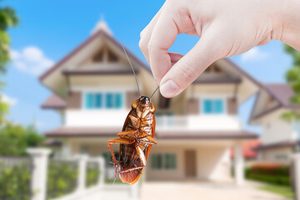
Many homeowners do not think about pest control until they have a noticeable problem. A trail of insects across a countertop, scratching sounds behind a wall, damaged materials, droppings in a storage area, or repeated sightings around doors and windows can quickly change that perspective. Unfortunately, visible evidence does not always represent the full extent of an infestation. Pests often remain hidden during part of their activity cycle, particularly when they have access to wall cavities, crawl spaces, attics, cabinets, or other secluded areas. Professional pest control services can therefore provide value not only when an infestation is obvious but also when recurring signs suggest that an unseen problem may be developing. Head over to https://www.rodentretreattexas.com/raccoon-removal-texas to discover more.
Why Pest Control Services Matter
The purpose of professional pest control is to create a structured approach to managing unwanted pests. Instead of relying entirely on occasional sprays or traps, pest management can involve inspection, identification, treatment, monitoring, exclusion, sanitation recommendations, and follow-up. This broader approach recognizes that pests are usually responding to environmental conditions. If those conditions remain unchanged, simply removing the pests that are currently visible may only provide temporary relief.
A property can offer everything a pest needs to survive without the homeowner realizing it. Food crumbs, unsecured waste, leaking pipes, condensation, standing water, overgrown vegetation, clutter, and small structural gaps can all contribute to pest activity. Even properties that appear clean can have hidden moisture problems or entry points that make them attractive to insects and rodents. Pest control services help shift the focus from reacting to individual sightings toward managing the overall conditions that influence pest behavior.
Professional pest management can also help homeowners respond before a small problem becomes a major infestation. Early intervention is generally easier to manage than a deeply established pest population. When activity is addressed promptly, there may be fewer areas to treat, less contamination or damage to deal with, and fewer opportunities for pests to reproduce and spread.
Common Reasons Pests Enter Properties
Pests do not enter buildings randomly. They are typically searching for resources that improve their chances of survival. Food, water, shelter, and suitable temperatures can all influence where pests establish themselves. Understanding these attractants can help homeowners recognize why certain areas of a property repeatedly experience pest activity.
The most common contributing conditions include:
- Accessible food and waste. Unsealed food containers, crumbs, pet food, garbage, and food residue can provide attractive sources of nourishment for insects and rodents.
- Moisture and shelter. Leaks, damp areas, standing water, clutter, and undisturbed spaces can create favorable conditions for pests to hide, reproduce, and remain active.
Eliminating these conditions does not guarantee that a property will remain completely pest-free, but it can make the environment less attractive. Professional pest control services often incorporate these preventive considerations into a broader treatment strategy.
The Importance of a Thorough Pest Inspection
An inspection is one of the most useful components of pest management because it provides information about what is actually happening on the property. Treating without understanding the source can result in wasted time and inconsistent results. A professional inspection may look for visible pests as well as indirect evidence, including droppings, nests, damage, trails, entry points, feeding activity, and areas where moisture or food may be accumulating.
The inspection process can also help determine whether activity is isolated or distributed across several areas. For example, finding insects in a kitchen does not necessarily mean the kitchen is where they originated. They may be entering through an exterior opening, moving through plumbing penetrations, or traveling from another part of the building. Rodents can similarly move through concealed areas before becoming visible inside living spaces.
Understanding these movement patterns helps create a more targeted treatment plan. Rather than treating every surface indiscriminately, pest control professionals can concentrate on areas where treatment is most appropriate while also recommending changes that reduce future access.
Different Pests Require Different Strategies
One of the reasons professional pest control can be more effective than a one-size-fits-all approach is that different pests behave differently. Ants, cockroaches, rodents, termites, flies, spiders, and other pests have different feeding habits, nesting behaviors, movement patterns, and preferred environments. A treatment that works for one type of pest may have little effect on another.
Correct identification is therefore essential. Homeowners may recognize that something is crawling, flying, or making noise without knowing exactly what species or pest group they are dealing with. Misidentification can lead to ineffective treatment and allow the underlying problem to continue.
A professional approach considers the pest’s biology and behavior when determining how it should be managed. Treatment may involve targeted applications, traps, baits, exclusion methods, sanitation improvements, environmental modifications, or a combination of techniques. This customized approach is particularly important when pest activity is recurring or widespread.
Pest Control Is More Than Spraying
There is a common perception that pest control begins and ends with applying a chemical treatment. Modern pest management can be much broader than that. While chemical treatments may be appropriate in certain situations, effective pest control often depends on combining several methods.
Integrated pest management, for example, emphasizes prevention, monitoring, identification, and targeted intervention. The objective is to manage pest populations effectively while avoiding unnecessary treatment. This approach recognizes that long-term control requires attention to the conditions that allow pests to thrive.
Exclusion is another important part of pest management. Small openings around doors, windows, pipes, vents, foundations, roofing components, and other structural areas can provide access points. Sealing appropriate gaps and improving vulnerable areas can reduce the chance of pests entering after treatment.
Protecting the Property From Pest Damage
Pests can cause more than an unpleasant sight. Some can damage structural materials, stored belongings, insulation, wiring, wood, fabrics, or other components of a property. Rodents may chew materials while searching for food or creating nesting areas, while certain insects can gradually affect wooden components. Even when the damage is not immediately obvious, repeated pest activity can become a property maintenance concern.
Preventing damage is one reason early pest control is important. Waiting until damage becomes visible may mean that the infestation has already been active for some time. Regular inspection and prompt attention to unusual signs can help homeowners discover problems earlier.
Pest control should therefore be considered alongside other forms of preventive home maintenance. Just as homeowners inspect roofs, plumbing, electrical systems, and exterior surfaces, they can monitor for signs that pests are gaining access or finding favorable conditions.
Protecting Indoor Cleanliness and Comfort
A pest-free environment contributes to a cleaner and more comfortable home. The presence of insects or rodents can create stress and make residents feel uncomfortable in areas where they prepare food, sleep, relax, or store belongings. Some pests can also leave behind droppings, shed materials, nesting debris, or unpleasant odors.
Keeping surfaces clean and food properly stored is an important first step, but cleanliness alone does not always eliminate pest problems. Some infestations are associated with structural entry points or hidden nesting locations rather than obvious sanitation issues. Homeowners should avoid assuming that pest activity automatically means the property is poorly maintained.
Professional pest control services can help identify the specific factors contributing to activity and recommend practical improvements. This makes pest management a property-wide issue rather than a judgment about household cleanliness.
Seasonal Pest Activity and Preventive Maintenance
Pest activity can change throughout the year as temperature, moisture, food availability, and environmental conditions change. Certain pests may become more noticeable during warmer periods, while others may seek shelter inside buildings when outdoor conditions become less favorable. These changes make seasonal awareness an important part of prevention.
Instead of waiting for seasonal activity to become severe, homeowners can inspect vulnerable areas beforehand. Doors and windows should close properly, screens should remain intact, moisture problems should be corrected, and unnecessary clutter should be reduced. Exterior areas should also be monitored for conditions that may encourage pest activity near the structure.
Preventive pest control services can complement these homeowner efforts by providing professional monitoring and treatment when appropriate. The objective is to identify potential problems before they develop into difficult infestations.
When Should You Consider Professional Pest Control?
Homeowners do not necessarily need professional treatment every time they see a single insect. Occasional pest sightings can occur even in well-maintained properties. The more important question is whether the activity is repeated, increasing, widespread, or accompanied by other evidence.
Repeated sightings are particularly worth investigating. If insects consistently appear in the same areas, rodents leave recurring signs, or pests continue returning after household treatments, the problem may have an underlying source that has not been addressed.
Professional pest control is especially worth considering when:
- Pest activity continues despite reasonable preventive efforts.
- There are signs of nesting, reproduction, or an established infestation.
- Pests are appearing in multiple areas of the property.
- There is evidence of structural or material damage.
- The source of the infestation is unclear.
- Household treatments have repeatedly failed.
- Pest activity is interfering with normal use of the property.
Recognizing these signs early can help homeowners avoid prolonged trial and error.
Choosing a Pest Control Service
Selecting a pest control service involves more than looking for the fastest treatment. Homeowners should consider whether the service takes time to understand the problem, explains the recommended approach, and provides clear instructions regarding preparation and follow-up. A good pest management strategy should address the specific circumstances of the property rather than automatically applying the same treatment to every situation.
Communication is also important. Homeowners should understand what areas are being treated, what preventive measures may be recommended, how long the process may take, and what steps should be followed afterward. Clear information helps residents participate in the prevention process and reduces the likelihood of unintentionally recreating conditions that attract pests.
A professional service should also emphasize appropriate product use and safety. Treatments should be selected and applied according to their intended purpose, with suitable precautions for occupants, pets, and the property.
Building a Long-Term Pest Prevention Strategy
The most effective pest control strategy is rarely based on one treatment. Long-term prevention requires attention to the property and its surrounding conditions. Homeowners can make pest entry more difficult by maintaining doors and screens, sealing suitable openings, repairing leaks, managing waste, storing food securely, reducing clutter, and keeping potentially attractive conditions under control.
Monitoring is equally important. A property does not need to have an active infestation before homeowners begin paying attention to warning signs. Regularly checking storage areas, kitchens, utility spaces, exterior walls, and other vulnerable locations can help identify changes early.
Professional pest control services can become part of this long-term strategy through periodic inspections and preventive treatments when appropriate. This approach can be especially useful for properties that have experienced recurring infestations or have conditions that make pest activity more likely.
Pest control services provide more than a quick response to unwanted insects or rodents. Effective pest management is a combination of identification, inspection, treatment, prevention, exclusion, monitoring, and ongoing property care. By addressing both the pests and the conditions that attract them, homeowners can create a more effective defense against recurring infestations.
The key is not to wait until a minor warning sign becomes a major problem. Repeated sightings, unexplained damage, unusual odors, droppings, nesting evidence, and activity in multiple areas can all justify closer attention. Early action can make pest problems easier to manage and may help protect the property from unnecessary damage and disruption.
Ultimately, professional pest control services can provide homeowners with a structured way to protect their living environment. When professional treatment is combined with good sanitation, moisture management, structural maintenance, and regular monitoring, pest prevention becomes an ongoing part of responsible property care. The goal is not simply to eliminate pests today but to make the property a less favorable place for them tomorrow, creating a cleaner, more comfortable, and better-protected environment for the long term.