Pest problems can begin quietly. A few ants around the kitchen, occasional insects near windows, or signs of rodents in a storage area may not seem like a serious concern at first. However, small pest issues can become much more difficult to manage when the underlying cause is ignored. Once homeowners realize there is an infestation, one of the first decisions they face is whether to handle the problem themselves or hire a professional pest control service. Both approaches have advantages and limitations, and the right choice depends on the type of pest, the size of the infestation, the condition of the property, and how quickly the problem needs to be resolved. Understanding the pros and cons of DIY pest control versus professional services can help homeowners choose a practical solution instead of relying on trial and error.
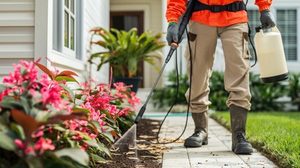
DIY pest control has become increasingly accessible because homeowners can find a wide variety of traps, baits, sprays, repellents, and other pest management products. For minor problems, these products may provide a convenient first step. A homeowner may notice a few insects and decide to purchase a household treatment rather than schedule a professional inspection. This approach can be appealing because it provides immediate control over the timing of the treatment and may require less upfront spending. However, convenience does not always mean effectiveness. Port St Lucie Pest Control is often about understanding why pests are present, where they are entering, what conditions are supporting them, and whether an infestation is larger than what can be seen.
The Advantages of DIY Pest Control
One of the biggest benefits of DIY pest control is convenience. Homeowners can purchase products and begin addressing visible pest activity without waiting for an appointment. This can be useful when the problem is relatively minor and clearly identified. For example, isolated insect activity may sometimes be reduced through sanitation, removal of food sources, sealing small gaps, and carefully following the directions for an appropriate household product. DIY pest control can also be useful as part of general prevention when homeowners understand that eliminating attractive conditions is just as important as treating visible pests.
Cost is another reason people consider handling pest problems themselves. A homeowner may spend less initially on a store-bought treatment than on a professional service visit. For a small and easily manageable issue, that initial savings can make DIY pest control seem like the logical option. There is also a sense of control that comes with managing a problem personally. Homeowners can decide when to inspect the property, clean affected areas, replace traps, or make simple changes that discourage pest activity.
DIY methods can be particularly effective when they focus on prevention rather than relying entirely on chemical treatment. Keeping food properly stored, removing standing water, reducing clutter, maintaining clean surfaces, repairing damaged screens, and sealing potential entry points can make a property less attractive to many common pests. These improvements have value regardless of whether a professional pest control company is eventually needed.
The Disadvantages of DIY Pest Control
The biggest weakness of DIY pest control is that homeowners may treat the symptom without addressing the source. Seeing insects or rodents does not necessarily reveal where they are nesting, how they are entering the property, or what environmental conditions are encouraging them to stay. Spraying the visible pests may provide temporary relief while leaving hidden activity untouched. When this happens, the problem can return repeatedly, sometimes becoming more established before professional help is finally requested.
Another concern is incorrect product selection or application. Different pests require different management strategies, and using a product that is not appropriate for the situation may produce poor results. Applying excessive amounts of a treatment does not necessarily make it more effective and can create unnecessary exposure risks. Household members and pets can also be affected when products are used incorrectly, stored improperly, or applied in areas where they should not be used.
DIY pest control can also become more expensive over time when multiple unsuccessful products are purchased. A homeowner may try one treatment, then another, and then another after the first attempts fail. The combined cost can eventually exceed what a professional inspection and treatment would have cost, particularly if the infestation has grown during the process. Time is another hidden expense. Repeatedly cleaning, inspecting, treating, and monitoring a persistent pest problem can become frustrating when there is no clear understanding of what is causing it.
What Professional Pest Control Offers
Professional pest control services take a more systematic approach. Instead of focusing only on visible pests, trained technicians typically evaluate the property for evidence of activity, potential entry points, nesting locations, food and water sources, and environmental conditions that may contribute to the infestation. This broader assessment is important because effective pest management is not simply about killing pests that are currently visible. The objective is to reduce the conditions that allow the population to survive and return.
Professional services can also be useful when the type of pest is uncertain. Different pests can leave different signs, and identifying the problem correctly is an important part of selecting an appropriate treatment strategy. A professional can assess evidence such as droppings, damage, nesting materials, trails, feeding patterns, or recurring activity to determine what type of pest management approach may be appropriate.
Another advantage is the ability to develop a treatment strategy rather than relying on a single application. Depending on the situation, pest management may involve targeted treatment, monitoring, exclusion, sanitation improvements, habitat modification, or follow-up visits. This integrated approach can be particularly valuable for persistent infestations where simply treating visible activity has not solved the underlying problem.
The Potential Drawbacks of Professional Services
Professional pest control is not automatically the best choice for every minor pest issue. The primary disadvantage is cost. Hiring a professional generally requires a greater initial financial commitment than purchasing a household treatment. For homeowners dealing with an isolated and easily controlled issue, professional service may seem unnecessary.
Scheduling can also be a consideration. A homeowner who wants immediate action may prefer the ability to purchase a product and address the issue immediately rather than wait for a professional appointment. However, the value of professional service often becomes clearer when an infestation is difficult to identify, persistent, widespread, or recurring.
Homeowners should also understand that professional pest control is not necessarily a one-time solution. Some properties benefit from ongoing inspections or preventive treatments, particularly when environmental conditions consistently attract pests. This can create a continuing maintenance expense. However, recurring service can be viewed as preventive property maintenance rather than simply an expense if it helps identify and address problems before they become severe.
When DIY Pest Control May Make Sense
DIY pest control can be reasonable when the problem is small, clearly identified, and limited to an area that can be safely managed. It may also be appropriate when homeowners are primarily addressing prevention rather than an established infestation. Improving sanitation, eliminating moisture problems, reducing clutter, and closing obvious entry points are practical steps that homeowners can often handle without professional intervention.
There are several situations in which homeowners may reasonably begin with basic DIY measures:
- The pest activity is minor and isolated. A small amount of activity with no evidence of nesting or widespread infestation may sometimes respond to sanitation and preventive measures.
- The cause is easy to identify and correct. If pests are clearly being attracted by accessible food, standing water, clutter, or an obvious entry point, correcting the environmental condition may significantly reduce activity.
The important point is to monitor the results rather than assuming that the first treatment worked. If activity continues, increases, spreads to other areas, or repeatedly returns, it may indicate that the underlying problem requires a more comprehensive assessment.
When Professional Pest Control Is the Better Choice
Professional pest control becomes more valuable when the infestation is persistent, widespread, difficult to identify, or potentially damaging to the property. Some pests can hide inside walls, attics, crawl spaces, cabinets, or other areas that are difficult for homeowners to inspect. In these situations, visible activity may represent only a small portion of the actual problem.
Professional assistance is also appropriate when DIY treatments repeatedly fail. Continued pest activity after several attempts can be a sign that the treatment is targeting the wrong area, the pest has access to an untreated nesting site, or environmental conditions are continuing to support the infestation. Rather than continuing to spend money on different products, homeowners may benefit from having the entire situation evaluated.
Professional services can also provide greater peace of mind when pest activity presents significant concerns for the property. Certain pests can damage wood, insulation, wiring, stored materials, or other components of a building. Others can contaminate food or create unsanitary conditions. Addressing these problems early can help reduce the potential for more extensive consequences.
Safety Should Be Part of the Decision
Safety is an important consideration when comparing DIY pest control with professional services. Homeowners who use pest control products should always read and follow the product label, use the required protective equipment, keep treatments away from children and pets as directed, and store products securely. More product is not necessarily better, and combining different chemicals can create dangerous conditions.
Professional pest control services are generally better equipped to select and apply treatments according to the specific circumstances of the property. This does not eliminate all risks, but professional application can reduce the likelihood of inappropriate use. Homeowners should still ask about preparation requirements, treatment areas, re-entry instructions, ventilation, and any precautions that need to be followed after service.
Combining Prevention With Professional Pest Management
The choice between DIY and professional pest control does not always have to be either-or. In many cases, the most effective strategy combines professional treatment with consistent homeowner prevention. A professional can address an established infestation while the homeowner works to eliminate the conditions that encourage pests to return.
Home maintenance can play a major role in long-term pest prevention. Sealing gaps around doors and windows, repairing damaged screens, maintaining plumbing fixtures, addressing leaks, storing food properly, keeping trash containers closed, trimming vegetation away from structures, and reducing unnecessary clutter can all make the property less attractive to pests.
This approach changes pest control from a reaction to an ongoing maintenance strategy. Instead of waiting until pests become highly visible, homeowners can monitor the property and respond to early warning signs. Professional inspections can then be used when activity becomes difficult to control or when the homeowner needs help identifying the source.
Making the Right Pest Control Decision
The best pest control method depends on the circumstances rather than simply choosing the least expensive option. A small, isolated issue may be manageable with careful DIY prevention and treatment, while a recurring or extensive infestation may require professional intervention. Homeowners should consider the severity of the problem, the difficulty of identifying its source, potential property damage, safety concerns, and the amount of time required to manage the issue.
It is also important to consider the long-term cost rather than focusing only on the initial price. A low-cost treatment that fails several times can become more expensive than an effective professional solution. Likewise, a professional service may be unnecessary if the problem can be resolved through simple sanitation and exclusion improvements.
Ultimately, effective pest control is about more than eliminating the pests that happen to be visible today. The goal is to understand why they are present, remove the conditions that support them, prevent future access, and monitor the property for signs of renewed activity. DIY pest control can be a useful tool for minor issues and prevention, while professional pest control can provide the expertise and comprehensive strategy needed for more challenging infestations.
DIY pest control and professional pest control services each have a legitimate place in home maintenance. DIY methods offer convenience, immediate action, and potentially lower initial costs, particularly for minor problems that are easy to identify. Professional services provide specialized knowledge, structured inspections, targeted treatment strategies, and ongoing support when infestations are more complicated or persistent.
The most important factor is recognizing when a problem has moved beyond simple household maintenance. If pest activity continues despite reasonable preventive efforts, spreads throughout the property, or raises concerns about sanitation, structural damage, or safety, professional assistance may be the more practical choice. By combining sensible prevention with timely professional intervention when necessary, homeowners can create an environment that is less attractive to pests and better protected against recurring infestations.